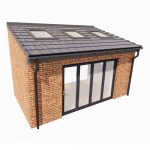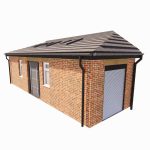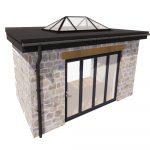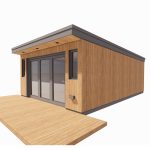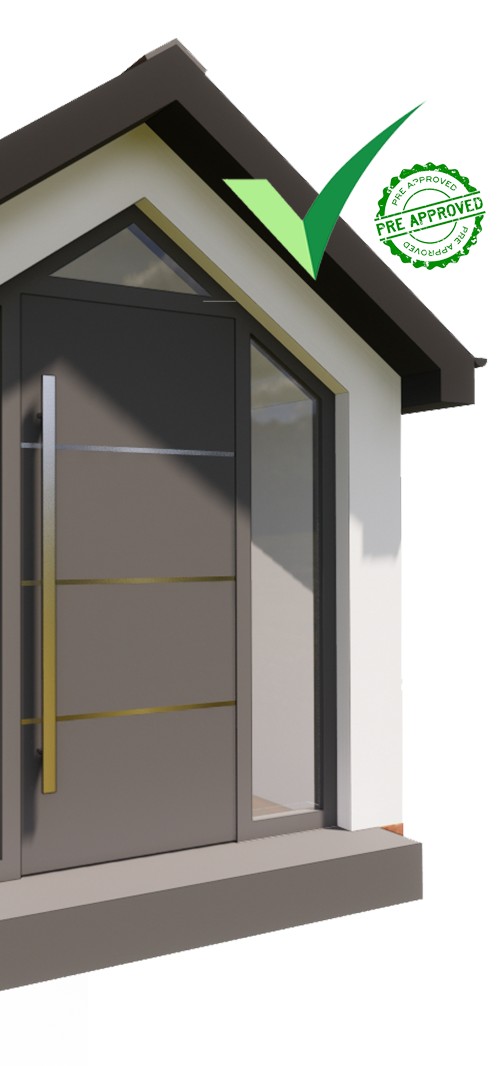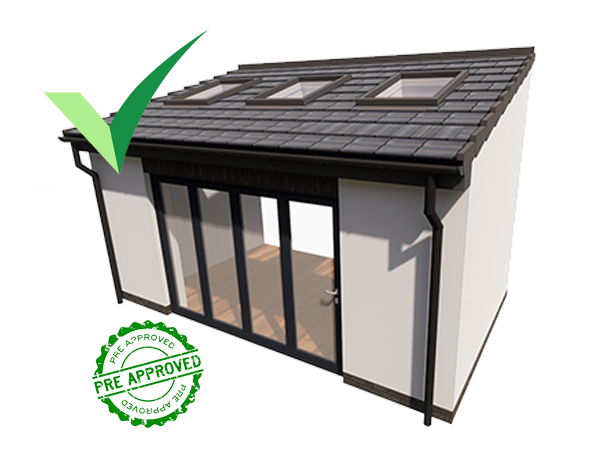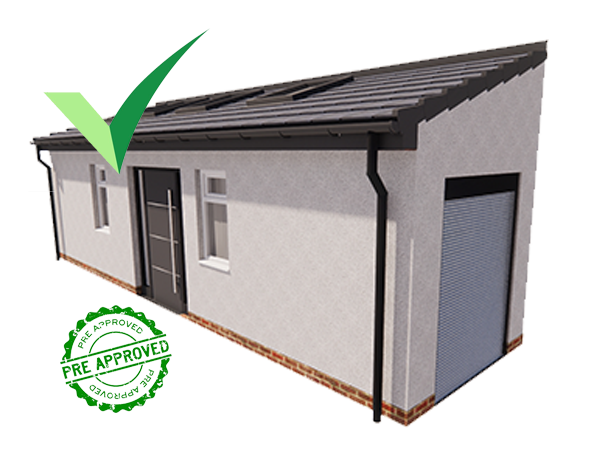




Still dreaming of a bigger home?
Great news, you’re in the right place.
As a homeowner, you can build lots of different types of extensions without the need for any prior approvals or Planning Permissions –These types of projects fall under what are commonly known as “PD or Permitted Development Rights.”
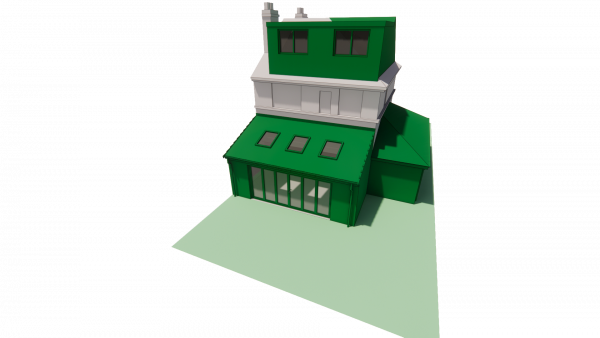

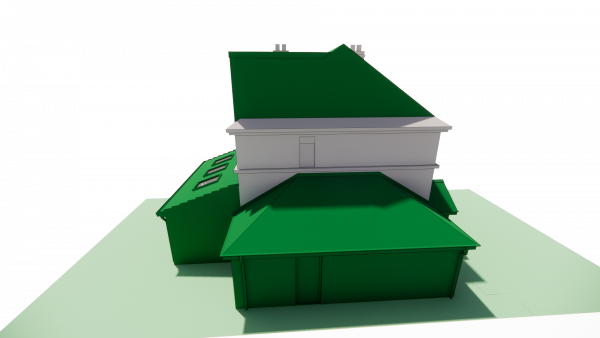
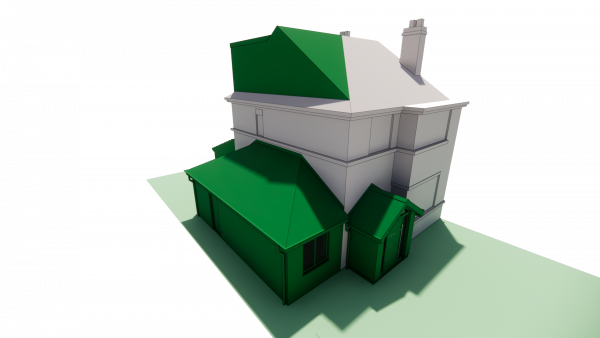

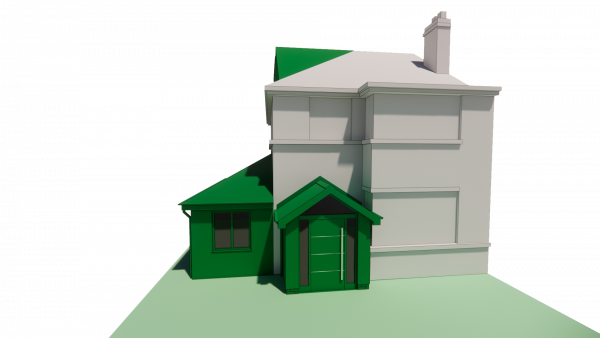

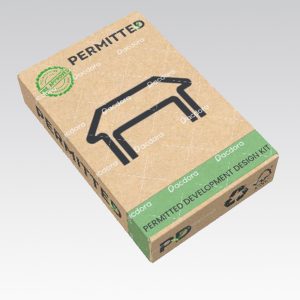
Drawings compliant with UK PD rules
Instantly downloadable
Set by step instructions
Fixed price guarantee
COMMON QUESTIONS
Do I need permission for an extension?
No, you generally do not need formal planning permission for a permitted development (PD) extension in the UK, as these rights allow you to improve your home without a full application, provided specific strict limitations and conditions are met. However, you must comply with, or seek approval for, building regulations.
Does everyone have PD rights?
No. Flats and maisonettes do not have permitted development rights. Rights may also be restricted or removed in Conservation Areas, National Parks, or for Listed Buildings
What is a Lawful Development Certificate (LDC)?
While not compulsory, an LDC is highly recommended. It provides legal proof that your project met PD rules at the time of construction, which is vital when selling your home.
Do I need Building Regulations approval?
Yes, even if your project is permitted development, it must still comply with building regulations for safety and quality.
Can my neighbours stop me?
Usually, no. Neighbours cannot stop a project that strictly follows PD rules. However, for “larger” extensions requiring prior notification, the council will consult neighbours and may refuse if there is a significant impact on their residential amenity.
What if I accidentally exceed the limits?
If your build is found to be non-compliant, you may have to apply for retrospective planning permission or, in the worst case, demolish the work.
Can I build in a Conservation Area?
Yes, but your rights are much more restricted, often limited to rear extensions and certain materials.
Can PDR be removed?
Yes, local councils can remove them via “Article 4” directions, particularly in designated areas.
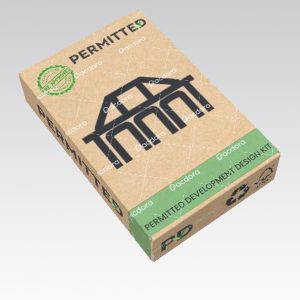
Best Selling
Featured products
-

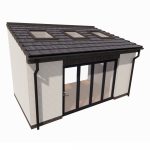
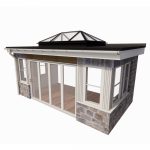
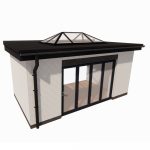
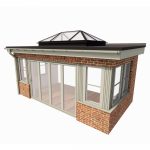
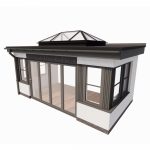
CONSERVATORY
£650.00 Select options This product has multiple variants. The options may be chosen on the product page -

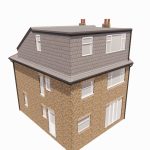
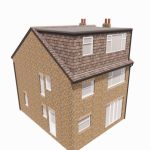
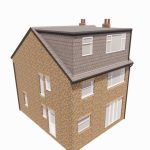
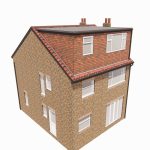
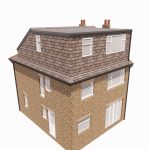
LOFT CONVERSION
£750.00 Select options This product has multiple variants. The options may be chosen on the product page -

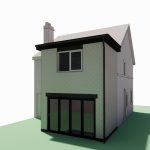
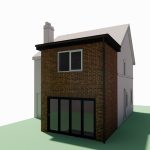
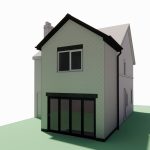
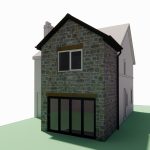
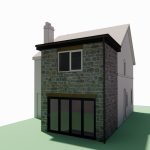
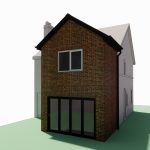
TWO STOREY REAR
£750.00 Select options This product has multiple variants. The options may be chosen on the product page -

Extension bundle
From: £350.00 Add to basket -

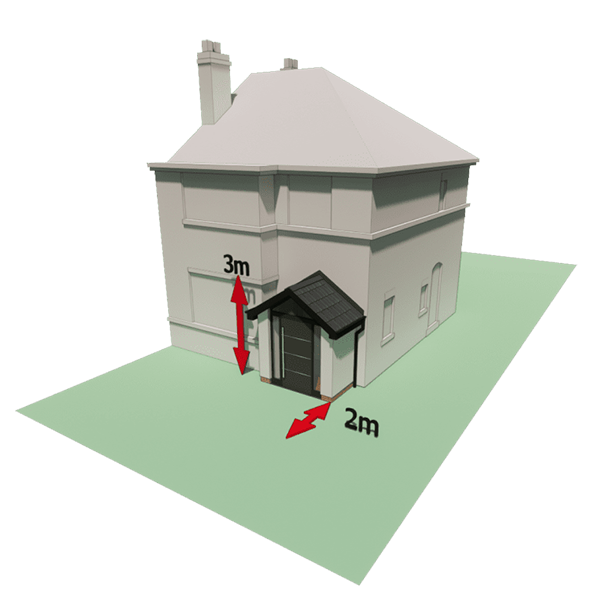
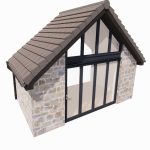
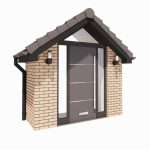
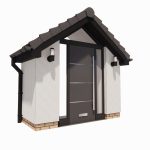
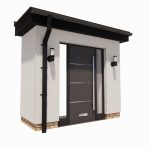
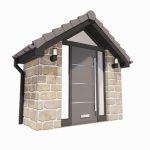
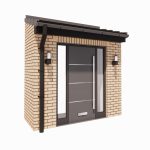
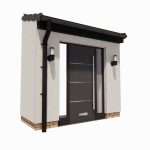
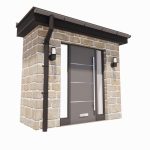
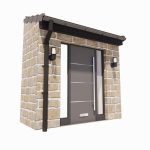
PORCH
Rated 5.00 out of 5£350.00 Select options This product has multiple variants. The options may be chosen on the product page -

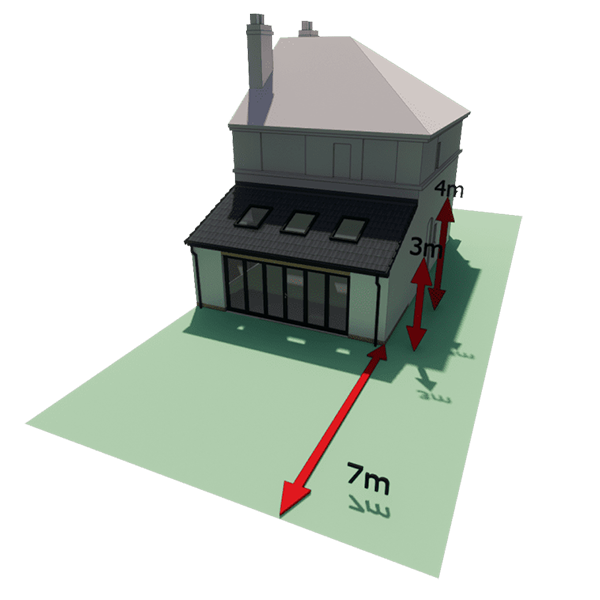
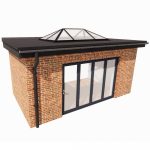
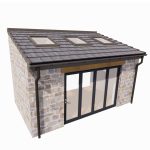
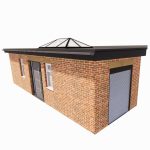
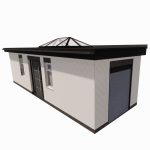
SINGLE STOREY REAR
£650.00 Select options This product has multiple variants. The options may be chosen on the product page -

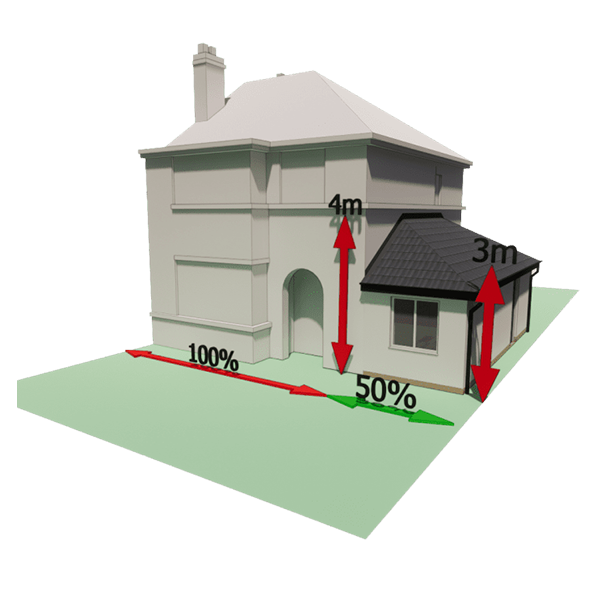
SINGLE STOREY SIDE
£550.00 Select options This product has multiple variants. The options may be chosen on the product page -

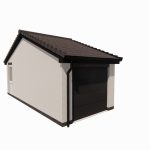
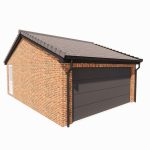
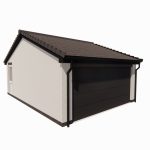
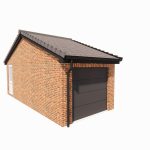
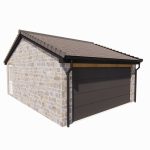
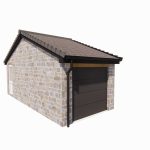
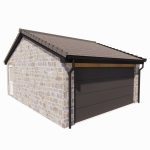
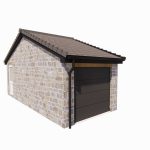
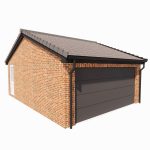
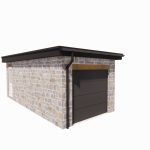
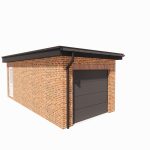
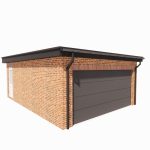
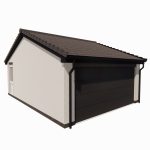
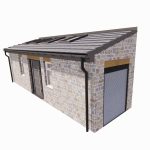
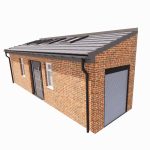
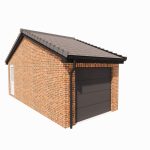
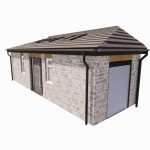
GARAGE
£350.00 Select options This product has multiple variants. The options may be chosen on the product page
Testimonials
IMPORTANT CONSIDERATION
Do you require planning permission for an extension?
In many cases, regulations referred to as ‘permitted development’ rights enable you to extend your home without needing to submit a planning permission application, as long as certain limitations and conditions are satisfied. If you wish to go beyond these limits and conditions, it is probable that you will need to apply for householder planning permission.
Consider the following points:
- If the work increases the floor space by more than 100 square metres, it might also incur a charge under the Community Infrastructure Levy. Check the guidance to learn more about the Community Infrastructure Levy.
- These regulations are relevant to the proposed extension as well as any prior extensions (i.e. the ‘total enlargement’).
- These regulations are applicable only to houses and do not apply to:
- Flats and maisonettes.
- Converted houses or houses established through the ‘permitted development’ rights for:
- ‘Changes of use’ (Schedule 2, Part 3, Classes G; M; MA; N; P; PA and Q) (as outlined in our change of use section)
- ‘New Dwellinghouses’ (Schedule 2, Part 20)
- Other types of buildings.
- Locations where there may be a planning condition, Article 4 Direction, or other restrictions that limit or eliminate ‘permitted development’ rights.
No Shipping Fees
Digital products
safe and secure checkout
100% Secure Payment
Money Return
Back Under 7 Days
24/7 Support
Ready For You
Permitted
we think that expanding your home shouldn't take months of waiting.
Homeowners nationwide are often unaware of their “Permitted Development Rights”- A legal means to extend their homes without needing a planning application.

- We have launched the UK’s first dedicated turnkey service for compliant architectural drawings.
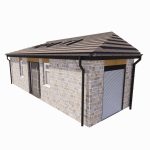
- National Coverage: We assist homeowners throughout England and Wales.
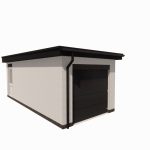
- Instant Compliance: Each design is pre-verified against the latest Building Regulations.
- No Permission Needed: Our expertise lies in designs that comply with permitted development rights.
By offering the design work upfront, we eliminate uncertainty and the lengthy waiting period. Choose your project, receive your plans, and proceed directly to the construction.